By: Nick Janco, NFI Certified Master Hearth Professional
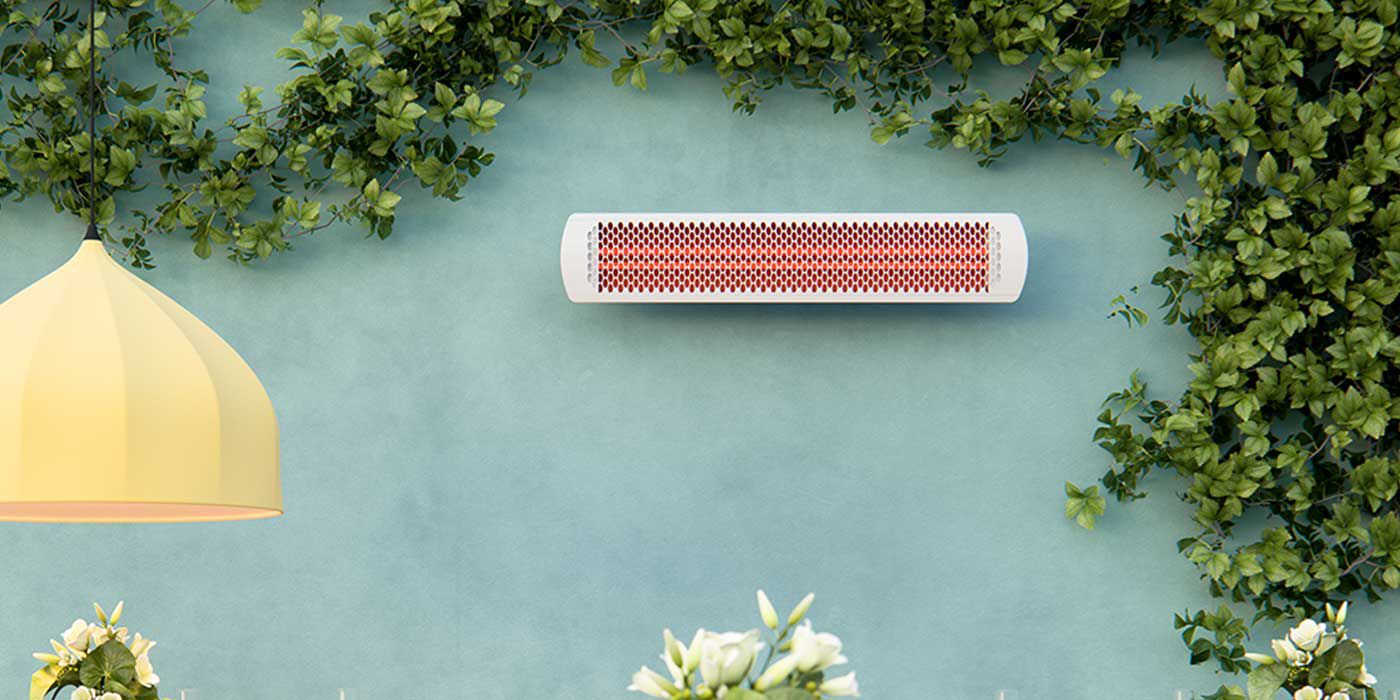
Gas vs. Electric Patio Heaters
Find out which style is best for your outdoor space
Last Updated: November 4, 2025
Crisp autumn nights, cozy winter evenings – there’s nothing quite like the ambiance of a warm outdoor space. But how do you keep your patio toasty without sacrificing style or comfort?
The age-old debate between gas and electric patio heaters rages on. Let’s dive in and uncover the best option for your outdoor oasis.

Gas Patio Heaters
There are two different fuel types for gas patio heaters — natural gas and liquid propane. Both have similar heat outputs, and the choice between them is usually determined by what fuel is available in your area. Gas heaters are also often sleeker in appearance than electric heaters.
Gas heaters can never be installed in a fully enclosed patio, because they can cause carbon monoxide buildup. They also require proper clearances to combustible materials, as determined by the manufacturer.
Natural Gas
If you have natural gas available, you can hire a certified professional to connect your patio heater to your home’s gas supply. Once it’s connected, you’ll never have to refill your heater.
Natural gas patio heaters are cheaper to run than propane and electric models, though they might cost more up front. They’re a great choice if you’re looking for simplicity and convenience after the initial installation.
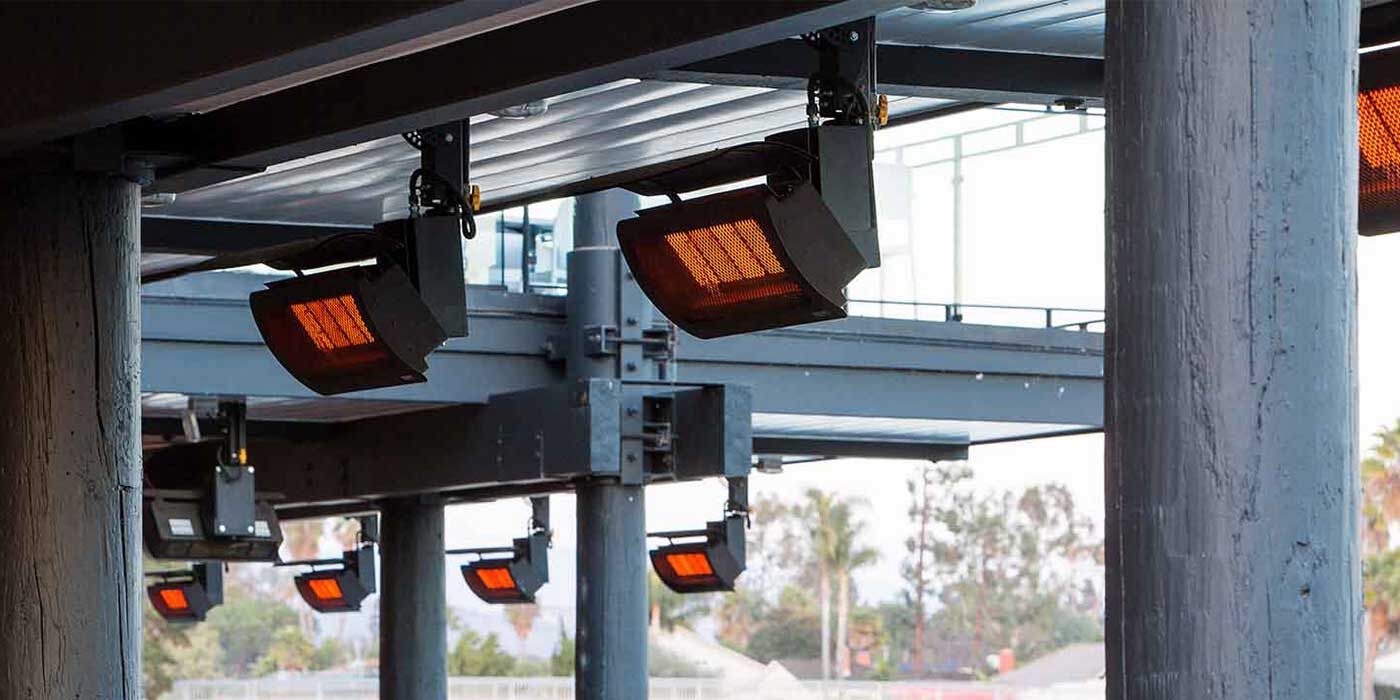
With natural gas heaters, you have installation flexibility. They can be wall-mounted or ceiling-mounted, flush or recessed.
It’s the perfect solution for both residential and commercial spaces that need the extra heat, but don’t want their outdoor heaters to be the focus of the space.
Pro Tip:
Even with DIY experience, it’s important to get professional installation for any natural gas appliance, including patio heaters, fire pits, and outdoor fireplaces.
Propane Gas
If you’re looking for portability, there are freestanding patio heaters that run on propane. They typically have storage space in the base to house the propane tank.
There are also tabletop propane patio heaters — perfect for outdoor living areas with limited floor space.
While propane models might be more expensive than natural gas, they're a great choice if you’re looking for flexibility and quick, hassle-free installation.
Why Should You Work with a Pro?
Electric Patio Heaters
Electric patio heaters are energy efficient, safe for both indoor and outdoor use, and available in a wide range of sizes and heat outputs. They convert up to 98% of their energy into heat and won’t produce any emissions.
Many electric models rely on infrared heating, which warms people and objects directly rather than heating the air. It’s a reliable and cost-effective way to keep outdoor seating areas cozy and outdoor dining spaces comfortable in every season.
Electric patio heaters create incredible heat coverage. You can set up specific heating zones throughout your space by connecting multiple heaters to one control system.
Electric heater controls are user-friendly. Depending on the heater, can choose from a variety of different options, like handheld remotes, switches, timers, motion sensors, and even voice commands with modern smart-heaters.
When installing electric patio heaters, it’s important to hire a professional to ensure a safe, code-compliant setup. They’ll handle proper wiring, voltage, and circuit requirements—preventing electrical hazards, damage, or voided warranties.

Make Patio Season Permanent
FAQs
The best type depends on your space, access to fuel sources, and heating needs.
- Propane: Portable and easy to install, great for flexible placement.
- Natural Gas: Ideal for permanent installations; requires a gas line.
- Electric: Best for enclosed or covered patios, low maintenance and easy to operate.
Operating costs depend on the type of fuel you’re using, local energy prices, heat output, hours of use, and efficiency.
Propane tends to be more expensive per hour than natural gas or electric (depending on rates).
Electric heaters (especially infrared ones) may cost more up front (for wiring and equipment) but have lower maintenance and cleaner operation.
Gas heaters (natural gas and propane) should not be used in ares without proper ventilation — like enclosed patios — due to the risk of carbon monoxide buildup.
Electric/infrared heaters are safer for semi-enclosed or covered areas (porches, pergolas, etc.), but you still need to follow clearance requirements, proper mounting, and electrical safety.
Match the heater’s output (BTUs for gas, watts for electric) to your space. Consider square footage, ceiling height, whether the area is enclosed, and how much of a temperature rise you want.
A larger or wind-exposed area will require more heaters or higher output models.
It depends on the type and model of your patio heater — but in many cases, yes! Most modern electric patio heaters are remote-compatible.
Some of the most popular remote-controlled electric patio heaters are Bromic’s Platinum Smart Heat collection and Eclipse Smart Heat collection.
We're Here to Help
Woodland Direct can help you design the perfect heating plan for your outdoor area. Just call our Master Hearth Professionals at 800-919-1904.
More Resources
Learn about patio heater styles, heat output, installation, and safety with this in-depth buying guide.
Explore Bromic’s impressive outdoor heating solutions.
Read our Patio Heater Spotlight to find out more about our brands and product offering.
 |
Nick Janco is a seasoned Technical Sales Representative with a decade of experience at Woodland Direct. As an NFI-Certified Master Hearth Professional, Nick is dedicated to helping his clients seamlessly integrate fire features into their homes, ensuring every detail is perfectly executed. While he's trained to assist with any fire-related project, Nick specializes in patio heaters. He's helped thousands of satisfied clients find the best heating solutions, offering valuable design, safety, and installation advice. Outside of work, Nick often spends time on the green enjoying a round of golf with his 5-year-old son. Call Nick or one of our experts in fire at 800.919.1904. |