By: Nick Janco, NFI Certified Master Hearth Professional
Propane Patio Heater Buying Guide
Everything you need to know about the benefits, performance, cost, safety, & maintenance of propane patio heaters
Last Updated: December 9, 2025
As the seasons shift and temperatures drop, enjoying your outdoor space doesn’t have to end. Propane patio heaters offer a convenient, effective way to extend your outdoor living season while maintaining comfort for you and your guests.
From cozy backyard gatherings to alfresco dining at restaurants, outdoor patio heaters provide instant warmth and a welcoming ambiance.
In this article, we’ll explore the key features, benefits, safety tips, and maintenance requirements of propane patio heaters, helping you make the best choice for your outdoor heating needs.
In This Article
- What are propane patio heaters?
- What are the benefits of propane heaters?
- Installation requirements & heat coverage
- Cost of using propane patio heaters
- Ignition & control options
- Safety considerations
- Propane tank safety tips
- How to detect a gas leak
- How to repair a gas leak
- Patio heater maintenance
- Hear from the Experts in Fire: How to Extend Your Patio Season
- FAQs
What are Propane Patio Heaters?
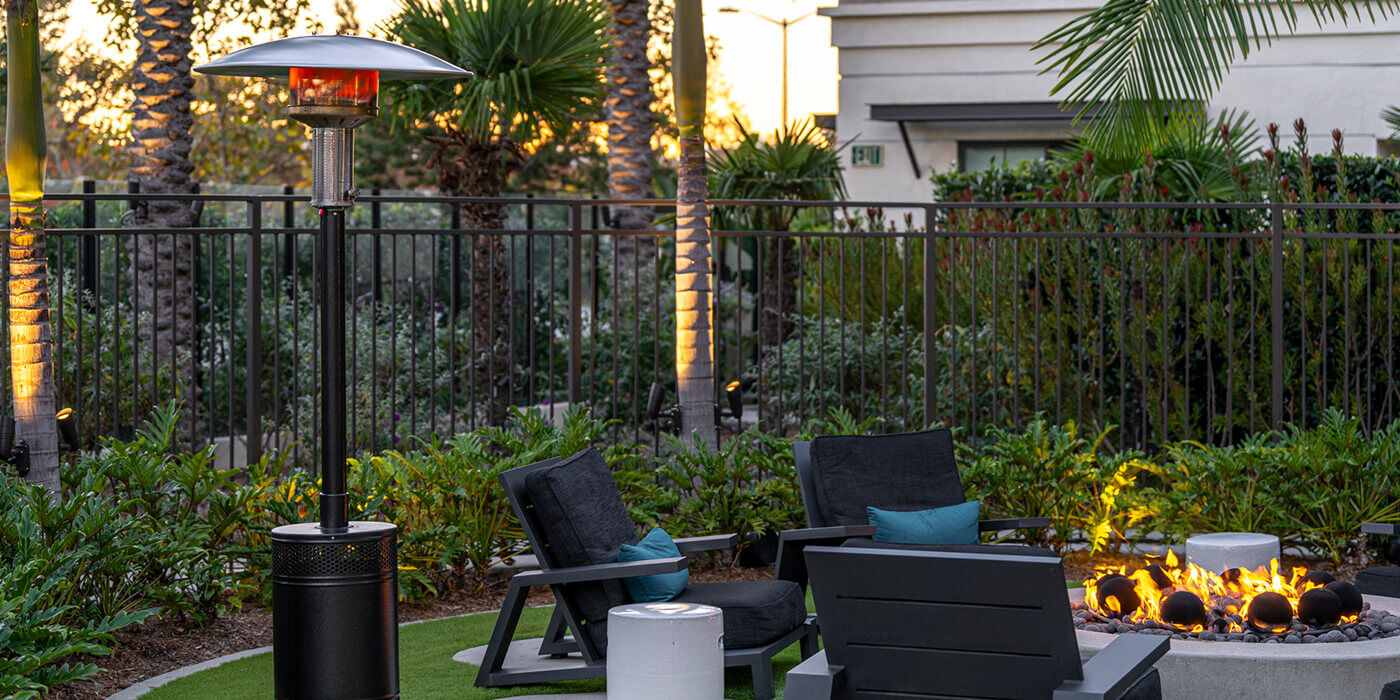
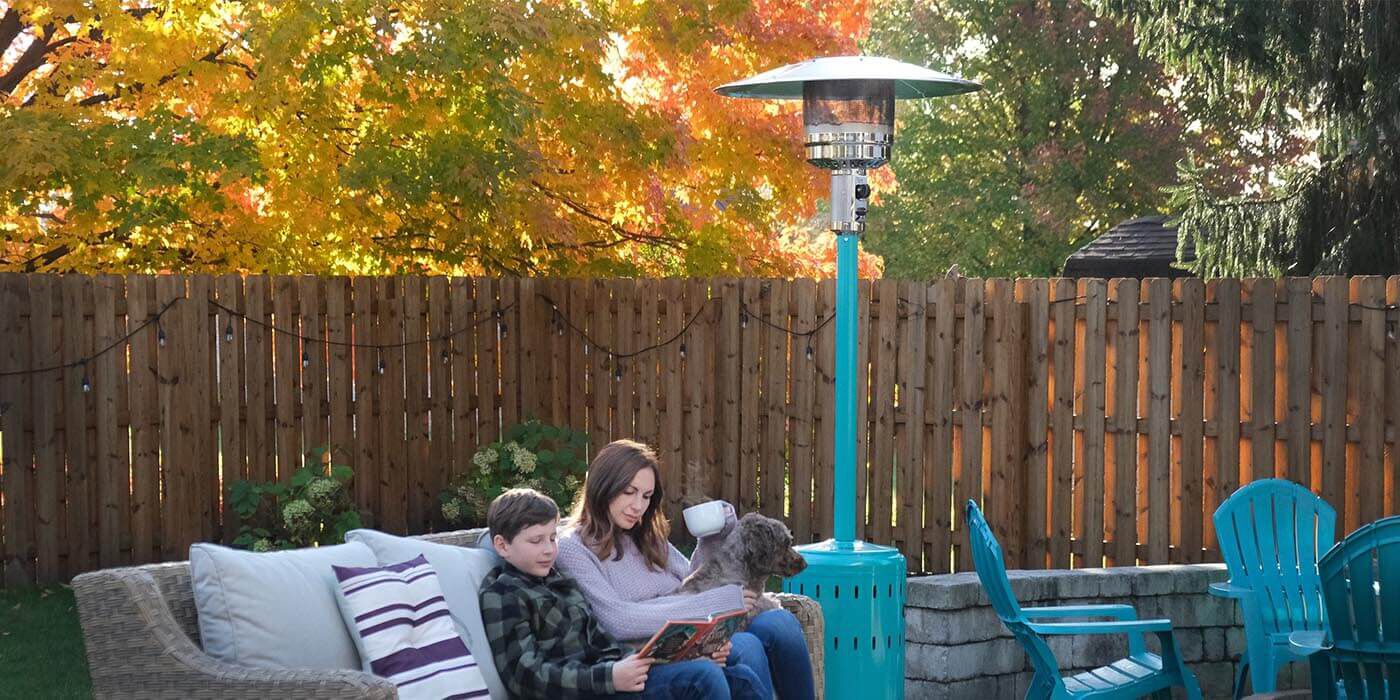
Propane patio heaters are freestanding or tabletop appliances powered by liquid propane gas.
They convert propane into heat, often radiated through infrared elements or reflective metal tops, efficiently warming people and spaces rather than just the surrounding air.
These heaters are popular for both residential and commercial outdoor spaces because of their portability, ease of use, and quick heating capability.
What are the Benefit of Propane Patio Heaters?
Portability and Flexibility
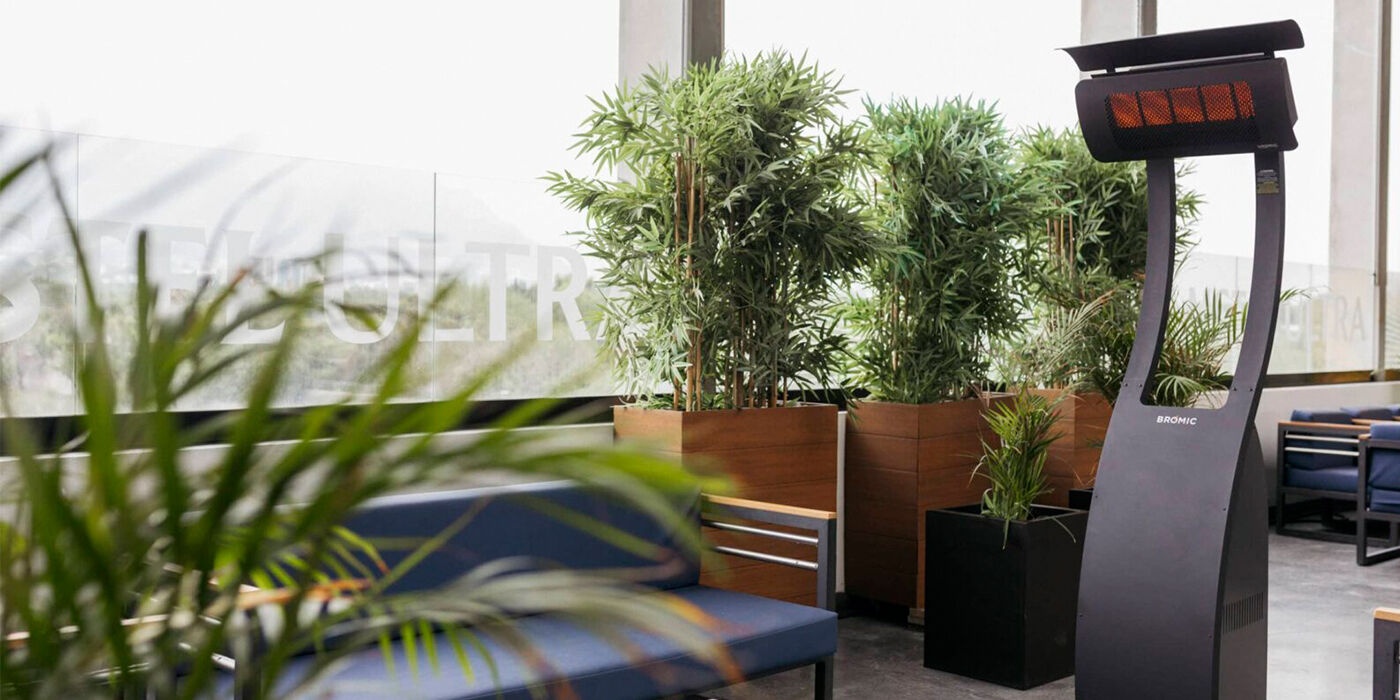
Unlike electric heaters that require an outlet, propane patio heaters run independently on a propane tank, allowing placement anywhere — patios, decks, pool areas, or even tents.
Freestanding models often come with wheels for easy relocation, making them ideal for both permanent and temporary setups.
Instant Heat
Once you turn your propane patio heater on, it generate heat almost immediately.
With the turn of a knob, you can create a cozy atmosphere without waiting for a long preheat time — perfect for spontaneous get-togethers.
High Heat Output
Propane heaters offer a significant amount of heat, often ranging from 30,000 to 50,000 BTUs and more for high-end heaters.
Having an impressive heating capacity makes propane heaters ideal for larger outdoor areas and keeping groups of people comfortable on chilly evenings.
Durability and Weather Resistance
Most propane heaters are made from durable, weather-resistant materials like powder-coated steel, aluminum, or stainless steel. They’re able to withstand harsh elements without rusting or warping.
Many models also come with protective covers for when they’re not in use, ensuring long-lasting performance.
Aesthetic Appeal
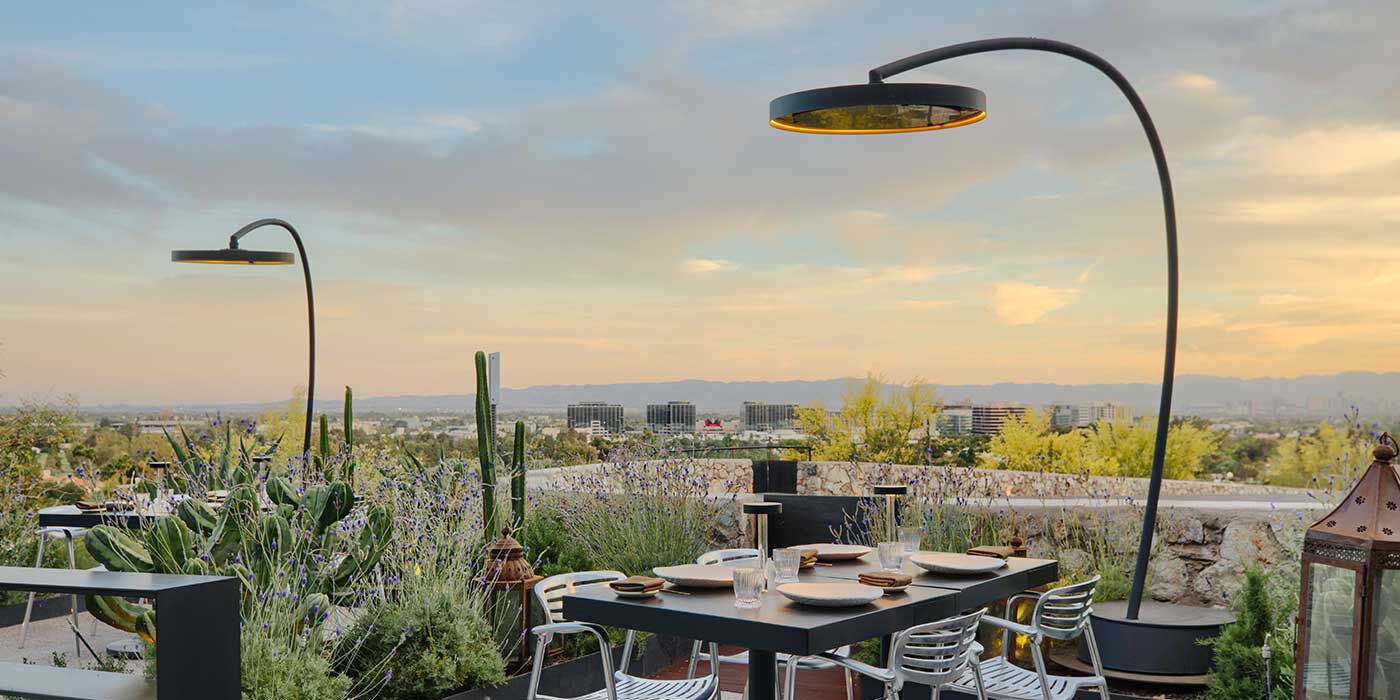
Propane patio heaters are available in a variety of styles — from sleek, minimalistic designs to traditional mushroom-shaped models. They can add visual appeal to your space, while keeping it toasty.
Installation Requirements & Heat Output
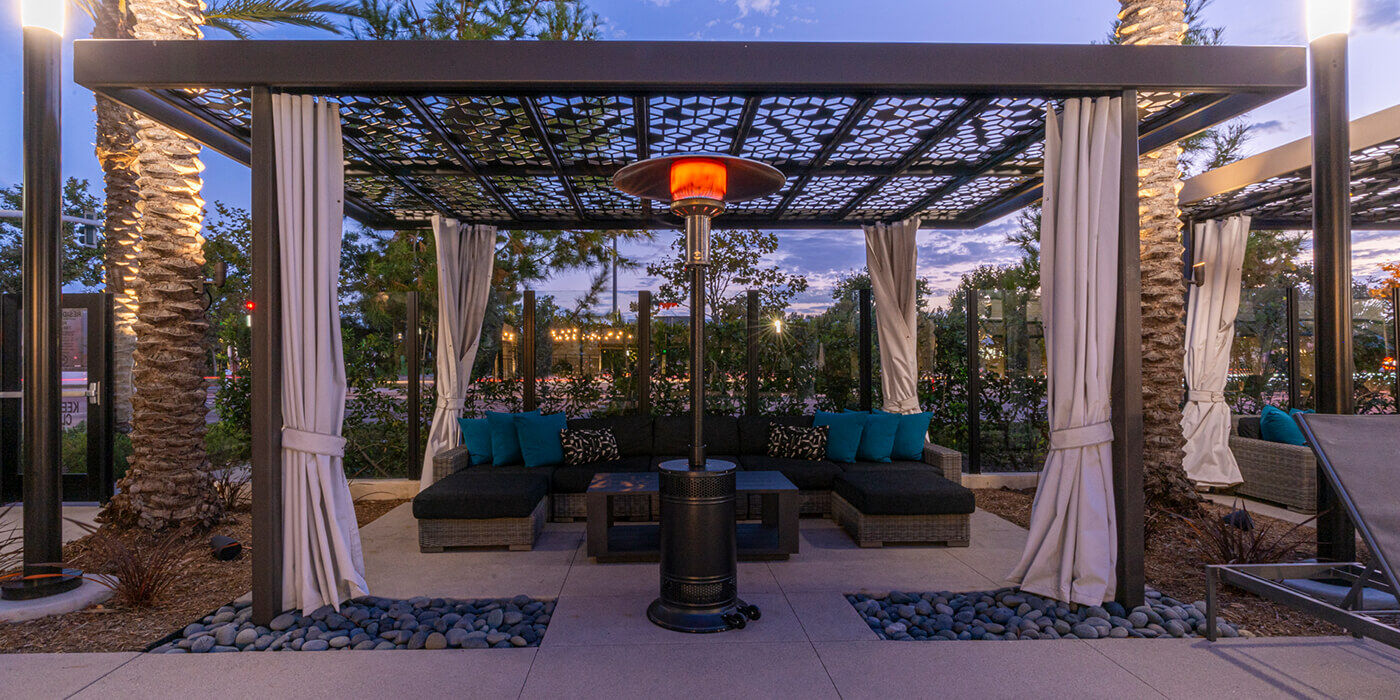
Since Propane gas is mobile fuel that doesn’t require special plumbing or installation, propane heaters are versatile and convenient.
They have the same instant heat output as natural gas heaters and can be made permanent if a gas line is installed by a licensed professional.
Heat for gas patio heaters is measured in British Thermal Units, or BTU’s for short. BTU’s tell you how much heat a gas appliance will provide (the higher the BTU’s, the higher the heat output).
Propane provides an average of 2,500 BTU’s per standard cubic foot, making it a very efficient fuel source.
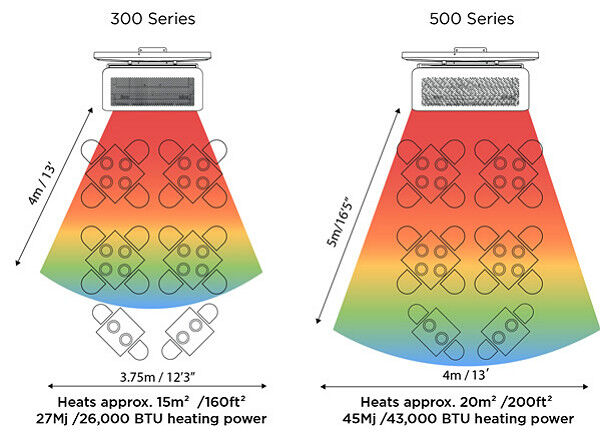
A typical full-size propane patio heater will output 40,000 BTUs and will distribute heat to an area up to 20' in diameter (314 sq ft).
The exact heating range and output will depend the patio heater’s design, wind conditions, and outside temperature.
Cost of Using Propane Patio Heaters
Compared to natural gas and electric styles, propane patio heaters are the most expensive to use.
The cost of propane is measured in price per gallon. The average portable propane patio heater, like this model from Bromic, can house a 20-lb. propane tank (about 4.7 gallons of fuel).
A 20-lb. Propane tank can last up to 10 hours and costs between $15 - $20 to fill up, making the average cost per hour between $1.5 - $2. A typical 40,000-BTU patio heater will cost about $1.70 per hour to use.
Use this simple equation to determine how many BTUs you need to heat your space:
Cubic feet of area x desired temperature rise = BTUs needed
Pro Tip:
A 20-lb. propane tank holds approximately 430,000 BTUs of fuel. If a heater has a BTU capacity of 40,000 BTUs per hour, the propane tank will last approximately 10.75 hours (430,000 / 40,000 = 10.75).
Patio Heater Ignition & Control Options
There are two main types of ignitions for gas patio heaters — manual ignitions and automatic ignitions.
Manual ignitions use a knob to control the flow of gas to the patio heaters. Some manual ignitions have a push button that creates a spark to light the gas, while others have a pilot light that needs to be lit manually.
Automatic ignitions use electricity to control and ignite the gas flow to the patio heaters. You can control automatic heaters with an on/off switch or a hand-held remote.
Both ignition types have built-in safety features that are designed to shut off gas flow to the patio heaters if the flame goes out and can’t be relit.
Safety Considerations
Before installing propane patio heaters, always consult the owner’s manual to find out the recommended clearance to combustibles (things that catch fire). This will help you determine a safe location.
Always maintain the recommended clearances and only use gas patio heaters in an open outdoor space with plenty of air flow.
For the safest options, look for patio heaters that are UL-approved and CSA-certified. These heaters have undergone rigorous testing to verify that they are a reliable and safe.
Before using your propane patio heater, read the installation manual thoroughly, so you know how to set it up and use it properly.
You’ll need to:
- Inspect the heater for damage
- Inspect the propane tank for damage
- Check gas connections, lines, fittings, and hoses to make sure they are working properly
When you’re finished using your patio heater, make sure to turn the control knob off, disconnect the propane tank, and store the heater upright in a sheltered area away from the elements.
Always keep heaters out of reach of children and never leave your patio heaters on unattended.
Propane Tank Safety Tips
- Take care when handling a propane tank to avoid damaging the valves.
- Follow the manufacturer instructions when filling, transporting, installing, and using a propane tank.
- Always inspect all connections and hoses, before each use.
- Never overfill a propane tank with fuel.
- Propane tanks should be stored upright.
- Keep them outside, in a cool, dark, well-ventilated area.
- Spare propane tanks should be kept a minimum of 20 ft. away from any patio heaters that are in use.
- To maintain optimal performance, make sure your propane tank is equipped with a pressure regulator.
- Keep the tank full, and store it away from snow and ice.
How to Detect a Gas Leak
Propane gas is odorless on its own, so a distinct smell is added to it to help you identify its presence. The scent is very strong and unpleasant, similar to rotten eggs.
If you smell Propane gas, you may have a gas leak. Always refer to the owner’s manual for help detecting and repairing a leak.
If you suspect a gas leak but don’t smell gas, do not start your patio heater and follow these steps:
- Prepare a soap solution of equal parts liquid soap and water.
- Liberally apply the soapy water onto the gas connections with a spray bottle, rag, or brush.
- If you see bubbles, there is a leak.
- Turn off the gas supply and tighten the leaking fittings.
- Repeat step 2.
If you still smell gas and can’t find the source of the leak:
- Turn off gas and disconnect it from the heater.
- Turn off lights, appliances, and cell phones (anything that can spark).
- Leave the area and call your Propane supplier, local fire department, or 911.
- A qualified service technician must determine your propane system is completely leak-free before you use any Propane-fueled appliances.
How to Repair a Gas Leak
If you find the source of the leak, make sure the gas is turned off and disconnected from the heater, before attempting to fix it.
To repair the leak, gas lines, hoses, fittings, and/or connections may need to be replaced. Once all leaks have been repaired, the patio heater will be ready for use.
Always follow the manufacturer requirements for testing, repairing, and servicing the heater. A licensed professional must repair your heaters. Do not attempt to do it yourself.
Patio Heater Maintenance
Gas patio heaters are easy to clean and maintain. To keep your heater fully functional, inspect all connections before each use to make sure they are clean and in proper working order.
Extreme temperatures and weather conditions can cause unnecessary wear and tear to your patio heaters. You can prevent this and extend the life of your portable patio heaters by storing them in a garage, shed, or barn when they’re not in use.
Covers are also available for portable patio heaters and are recommended to prevent small insects and spiders from nesting in the heaters. Make sure your patio heaters have completely cooled before covering or storing them.
Before cleaning your patio heater, make sure the gas is turned off and fully disconnected. Never disassemble the heater and only clean the outside surface.
Follow the cleaning guidelines provided in the owner’s manual. The manual will tell you how often to clean the heater, along with acceptable products and cleaning techniques to use.
Enjoy Your Outdoor Space All Year Long
FAQs
Each patio heater type offers unique advantages, and the best one depends on your space, budget, and desired level of convenience.
Propane heaters are portable and offer a strong heat output, making them great for flexible layouts. Natural gas heaters provide a constant, steady fuel supply and lower long-term operating costs, but they require professional installation. Electric heaters are the easiest to use, safe for covered spaces, and ideal for smaller patios or areas with fuel restrictions.
It depends on the heater type and manufacturer guidelines.
Electric infrared heaters are generally the safest option for covered areas. Propane and natural gas heaters typically require open-air clearance above and around the sides to prevent heat and carbon buildup.
Always check the specific clearance requirements in your patio heater owner’s manual and make sure there’s enough ventilation.
Most freestanding propane heaters can effectively warm a radius of 8–12 ft. Electric infrared heaters usually heat a more directional zone of about 6–10 ft. Mounted natural gas heaters can cover larger areas, depending on BTU output and placement.
Keep in mind that wind, outdoor temperature, and layout can influence performance.
Basic maintenance includes cleaning the burner, wiping down exterior surfaces, checking for blockages or debris, and examining fuel lines or electrical connections.
For propane heaters, inspect the tank and regulator regularly. For electric and gas units, schedule occasional professional servicing to ensure safe, optimal operation.
Always store or cover your heater when not in use to prolong its lifespan.
We're Here to Help
Do you have more questions for us? Contact one of our NFI certified experts at (800) 919-1904 today!
More Resources
Head over to our Patio Heater Buying Guide to learn even more about patio heaters.
Check out our Patio Heater FAQ Page for answers to the most commonly asked questions about patio heaters.
Read all about electric patio heaters to find the best heater for your space.
 |
Nick Janco is a seasoned Technical Sales Representative with a decade of experience at Woodland Direct. As an NFI-Certified Master Hearth Professional, Nick is dedicated to helping his clients seamlessly integrate fire features into their homes, ensuring every detail is perfectly executed. While he's trained to assist with any fire-related project, Nick specializes in patio heaters. He's helped thousands of satisfied clients find the best heating solutions, offering valuable design, safety, and installation advice. Outside of work, Nick often spends time on the green enjoying a round of golf with his 5-year-old son. Call Nick or one of our experts in fire at 800.919.1904. |